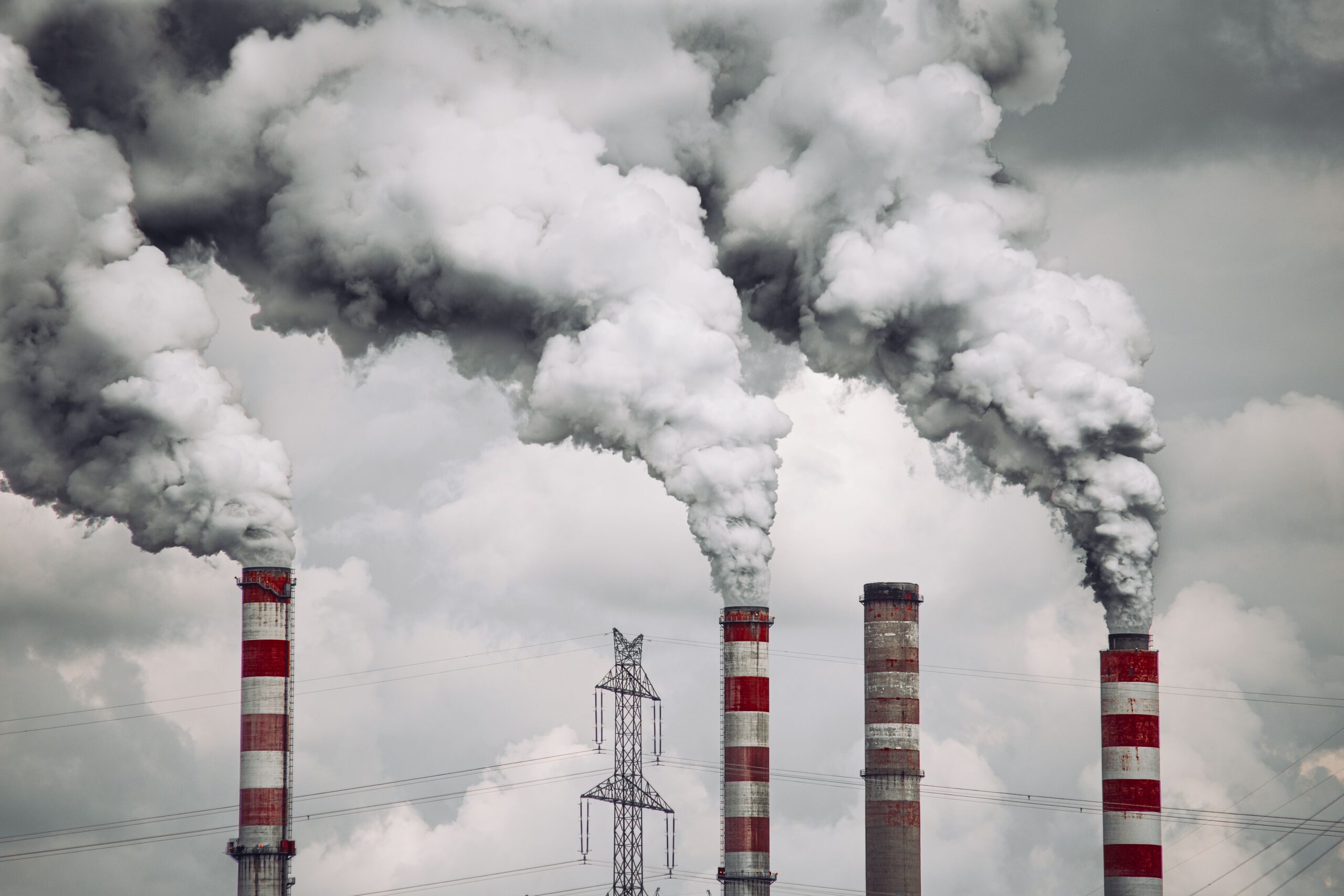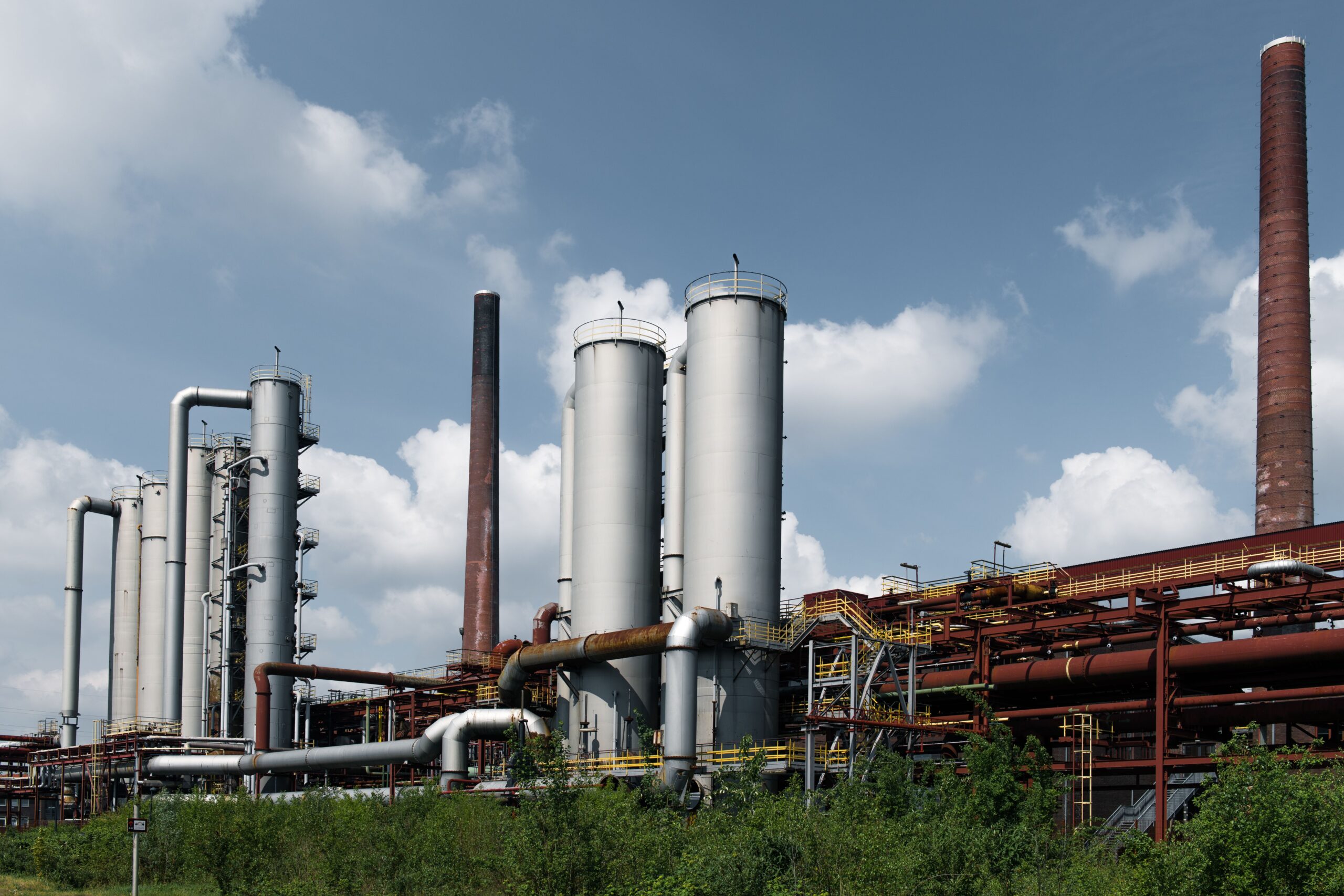
The European Union Emissions Trading System (EU ETS) is a key instrument of European climate policy for reducing greenhouse gas emissions.
The EU ETS operates on the basis of the “cap and trade” principle for emission allowances.
Under the system, regulated installations are required to:
• hold a Greenhouse Gas Emissions Permit;
• implement an approved Monitoring Plan;
• monitor and document their emissions;
• prepare an Annual Emissions Report;
• ensure that the report is verified by an accredited verifier;
• submit the verified report to the competent authority within the applicable deadlines.
The Annual Emissions Report for the previous year is generally submitted by 31 March.
The EU ETS covers the following greenhouse gases from specific activities, focusing on emissions that can be measured, reported and verified with a high level of accuracy:
- Carbon dioxide (CO₂) from:
- electricity and heat generation;
- energy-intensive industry sectors, including oil refineries, steel works, and the production of iron, aluminium, metals, cement, lime, glass, ceramics, pulp, paper, cardboard, acids and bulk organic chemicals;
- aviation within the European Economic Area and departing flights to Switzerland and the United Kingdom;
- maritime transport, specifically 50% of emissions from voyages starting or ending outside the EU and 100% of emissions from voyages between two EU ports and when ships are within EU ports.
- Nitrous oxide (N₂O) from the production of nitric, adipic and glyoxylic acids and glyoxal.
- Perfluorocarbons (PFCs) from the production of aluminium.
Participation in the EU ETS is mandatory for companies operating in these sectors, but:
- in some sectors, only operators above a certain size are included;
- certain small installations may be excluded if governments introduce alternative measures to reduce their emissions.
From 2024, municipal waste incineration installations above a certain threshold are also required to monitor and report their emissions under the EU ETS.
1. Review of the installation, the scope of application and the verification requirements.
2. Submission of the required information and scheduling of the verification process.
3. Assessment of the Annual Emissions Report, the Monitoring Plan and the relevant procedures.
4. Strategic analysis, risk assessment and review of data and supporting evidence.
5. On-site verification, and communication of any findings.
6. Independent technical review and issuance of the Verification Statement.
Independent Verification from a third party contributes to:
• compliance with EU ETS requirements;
• the submission of reliable and substantiated data;
• the timely identification of weaknesses in monitoring procedures;
• improved data quality and traceability;
• enhanced transparency towards competent authorities and interested parties.
COSMOCERT is a Validation and Verification Body accredited by the Hellenic Accreditation System (ESYD), in accordance with ELOT EN ISO/IEC 17029:2019 and ELOT EN ISO 14065:2022.
Ανακαλύψτε περισσότερες